
The best mountain Yoga Retreat in Ecuador
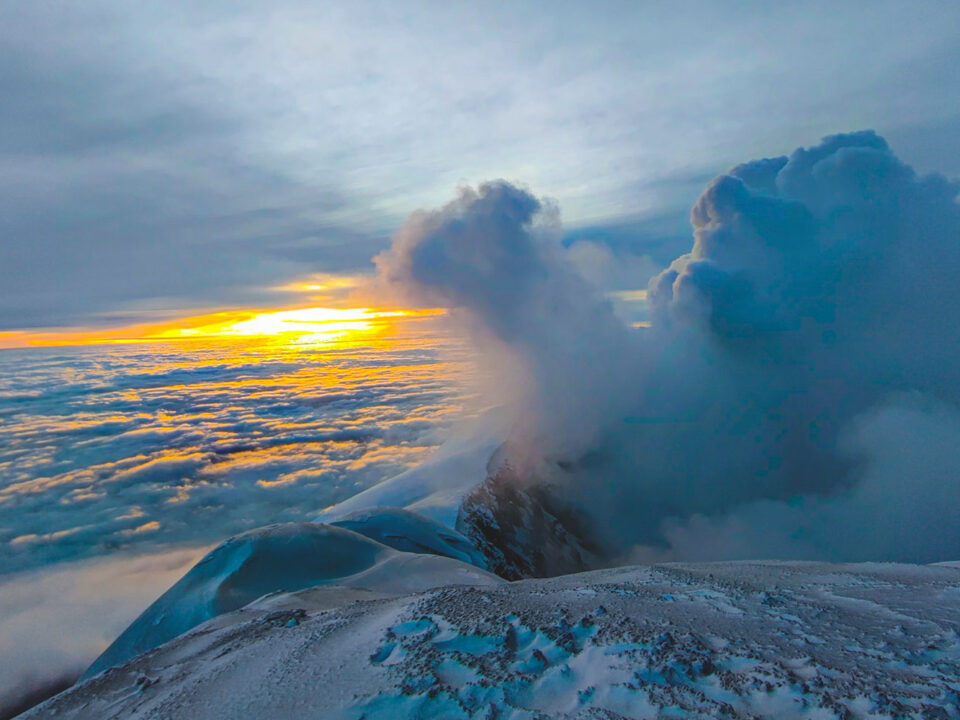
25 March 2024This article will explore the Fauna around Cayambe Volcano. Nestled in the heart of Ecuador's Andes Mountains, Cayambe Volcano stands as a natural marvel not only for its towering presence but also for the vibrant tapestry of life it supports. This volcanic giant, cloaked in clouds and perpetually snow-capped, creates an array of unique habitats that are home to an astonishing diversity of fauna.
If you take part of our acclimatization week, you will probably see most of those animals.
From the majestic Andean condor soaring high above to the elusive spectacled bear roaming its slopes, the wildlife of Cayambe is a testament to nature's resilience and adaptability. Exploring the rich biodiversity around Cayambe is like stepping into a living laboratory, where the interplay between the land, climate, and living organisms tells a fascinating story of evolution and survival.
What is the Fauna around Cayambe volcano?
Importance of Studying Its Fauna
Studying the fauna around Cayambe Volcano is crucial for several reasons. It helps in understanding the ecological balance of the region, the interaction between various species, and the impact of climate change and human activities on these ecosystems. Moreover, documenting the wildlife provides essential data for conservation strategies aimed at protecting these species and their habitats.
Ecological Significance of Cayambe Volcano
The ecological significance of Cayambe Volcano extends beyond its immediate surroundings. It serves as a vital watershed, contributing to the hydrological systems that support both wildlife and human populations. The diverse habitats, ranging from cloud forests to páramo grasslands, offer a haven for numerous species, some of which are endemic or threatened.
Geographical Information
Location and Elevation
Cayambe Volcano is located in the Cayambe-Coca Ecological Reserve, straddling the equator in Ecuador. Its peak, permanently capped with snow, is the highest point on the equator. The elevation gradient from the base to the summit creates a variety of microclimates and habitats.
Climate and Weather Patterns
The climate around Cayambe Volcano varies significantly with altitude. Lower elevations experience a temperate climate with moderate rainfall, while higher elevations are colder and receive more precipitation, primarily in the form of snow. These climatic conditions influence the types of vegetation and wildlife found at different altitudes.
Vegetation Zones
The vegetation zones around Cayambe range from lush cloud forests at lower elevations to the alpine tundra-like páramo at higher altitudes. Each zone supports distinct plant and animal communities adapted to specific environmental conditions.
Overview of Fauna around Cayambe Volcano
The fauna around Cayambe is incredibly diverse, featuring species that have uniquely adapted to the harsh and variable conditions. Endemic species—those found nowhere else on Earth—are particularly significant, showcasing the evolutionary wonders that volcanic landscapes can produce.
Mammals near Cayambe volcano
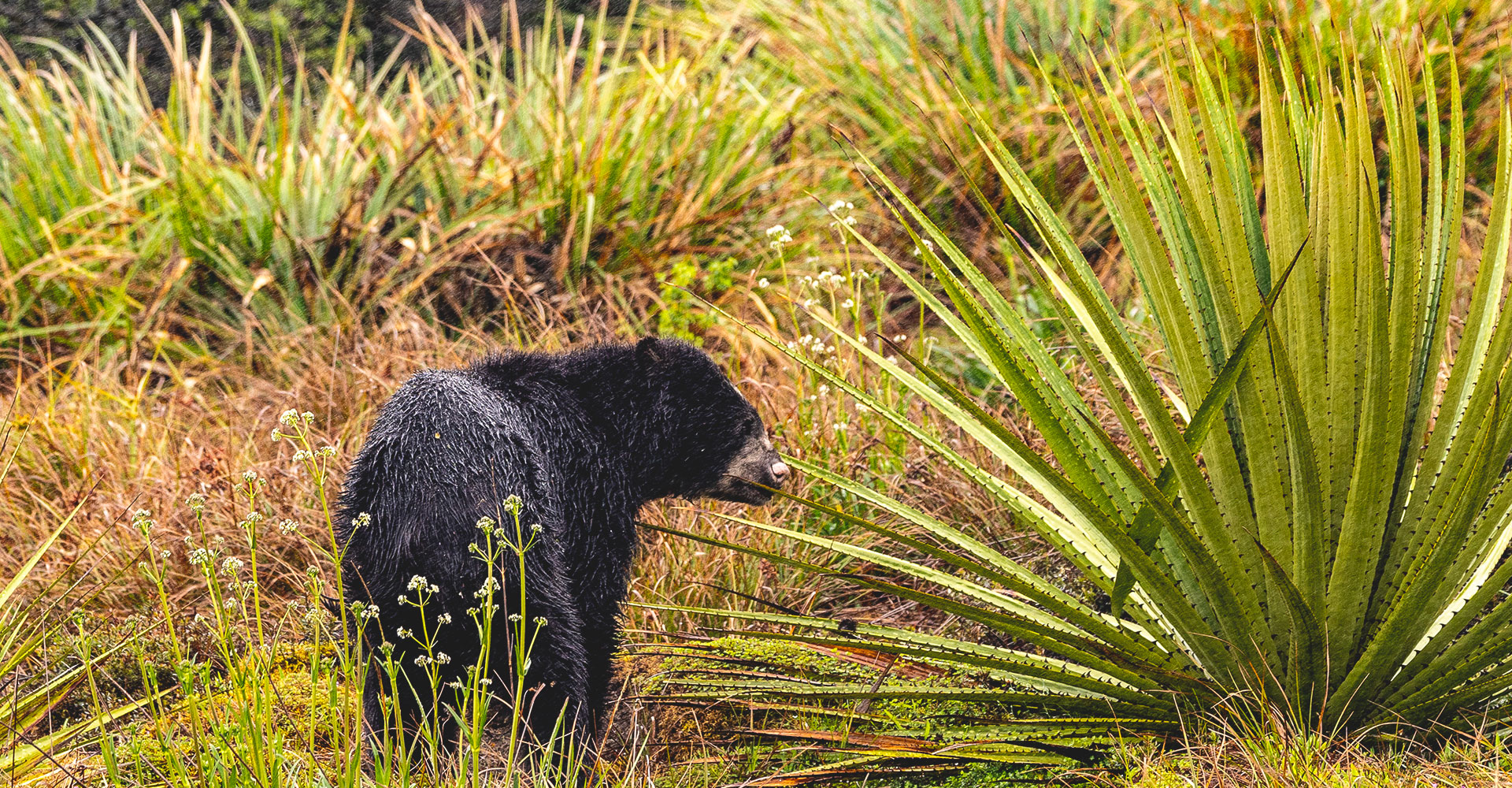
The mammalian inhabitants of Cayambe include species such as the Andean fox and the Andean bear also known as the spectacled bear. These creatures have developed specialized adaptations to thrive in the volcanic environment. The Andean fox, for instance, has a keen sense of smell and agility that help it navigate the rugged terrain, while the spectacled bear, South America's only bear species, is well-equipped to forage in the dense forests. You can also see pumas, tapir, etc...
Birds near Cayambe volcano
Birdwatchers are in for a treat around Cayambe. The region is a haven for a variety of avian species, including the majestic Andean condor and the colorful tanagers. The migration patterns of these birds are influenced by the changing seasons and the availability of food, making Cayambe a dynamic birdwatching destination.
Reptiles and Amphibians
Reptiles such as the Andean lizard and amphibians like the Cayambe rocket frog are common in this region. These cold-blooded creatures have developed remarkable strategies to cope with the fluctuating temperatures, including behavioral adaptations like basking in the sun to regulate their body heat.
Insects and Arachnids
Insects and arachnids play crucial roles in the Cayambe ecosystem. Species such as the giant Andean centipede and various butterflies contribute to the ecological balance by pollinating plants and decomposing organic matter. Their presence underscores the interconnectedness of all life forms around the volcano.
Aquatic Life
The streams and rivers originating from Cayambe are teeming with freshwater species, including trout and a variety of invertebrates. These aquatic organisms have evolved to survive in waters that are sometimes infused with volcanic minerals, showcasing nature's resilience and adaptability.
Flora and Its Relationship with Fauna
The flora around Cayambe, ranging from orchids to bromeliads, plays a pivotal role in sustaining the local fauna. These plants provide food and shelter to numerous species, illustrating the intricate web of life that thrives in this volcanic region.
Conservation Efforts
Conservation programs in the Cayambe region aim to protect its unique biodiversity. Efforts include habitat restoration, anti-poaching measures, and community education initiatives. Preserving this rich biodiversity is crucial for maintaining ecological balance and ensuring that future generations can enjoy the natural wonders of Cayambe.
Impact of Human Activity
Human activities such as agriculture and urbanization pose significant threats to the biodiversity around Cayambe. However, ecotourism, when managed sustainably, offers a way to balance human interests with conservation goals, providing economic benefits while protecting natural habitats.
Climate Change and Fauna
Climate change is an emerging threat to the fauna of Cayambe. Shifts in temperature and precipitation patterns can alter habitats and food availability, impacting species survival. Understanding and mitigating these effects is essential for preserving the region's biodiversity.
Scientific Research and Discoveries
Scientific research around Cayambe is ongoing, with recent discoveries shedding light on previously unknown species and ecological interactions. These studies are vital for informing conservation strategies and enhancing our understanding of volcanic ecosystems.
Cultural Significance of Fauna
For the indigenous communities living near Cayambe, the local fauna holds deep cultural significance. Animals feature prominently in folklore and traditional practices, reflecting a profound connection between people and nature that has persisted for generations.
Conclusion
The biodiversity around Cayambe Volcano is a testament to nature's ingenuity and resilience. From majestic mammals to intricate insects, each species plays a role in the complex web of life that thrives in this volcanic landscape. Protecting this biodiversity is not just about preserving wildlife; it's about maintaining the health of our planet.
FAQs
-
What makes Cayambe Volcano unique in terms of biodiversity? Cayambe's diverse climatic zones and volcanic terrain create a variety of habitats, supporting a wide range of species, many of which are endemic.
-
How do animals adapt to the harsh conditions around Cayambe? Animals have developed specialized adaptations, such as behavioral changes, physical traits, and dietary adjustments, to survive the extreme conditions.
-
What are some conservation efforts in place for Cayambe's fauna? Conservation efforts include habitat restoration, anti-poaching measures, community education, and sustainable ecotourism practices.
-
How does climate change affect the fauna around Cayambe? Climate change can alter habitats, food availability, and migration patterns, posing a threat to the survival of many species.
-
Why is the fauna around Cayambe culturally significant? For indigenous communities, local fauna are integral to their cultural heritage, featuring in folklore, traditions, and daily practices.